


Nvidia reported record quarterly sales of $57 billion and nearly $32 billion in profit, underscoring extraordinary demand. However, shares have fallen about 10% from an October peak, and after-hours gains failed to recover recent losses. Analysts expected $62 billion in revenue, while the company guided $65 billion, which intensified debate over valuation. Nvidia AI bubble skepticism has become central to investor dialogue, because data center demand now accounts for about 90% of sales. Jensen Huang cautioned, ‘There’s been a lot of talk about an AI bubble,’ and added that Nvidia sees ‘something very different.’ Moreover, the company cited roughly $500 billion in unfilled orders, and strategic investments in OpenAI and Anthropic. As a result, the piece focuses on corporate strategy, risk assessment, and competitive positioning within AI infrastructure markets. Nvidia has more than doubled annual revenue in each of the past two fiscal years, although growth will slow to 64% this fiscal year. Partnerships with CoreWeave and xAI, and the role of ChatGPT in driving GPU demand, will also be examined.
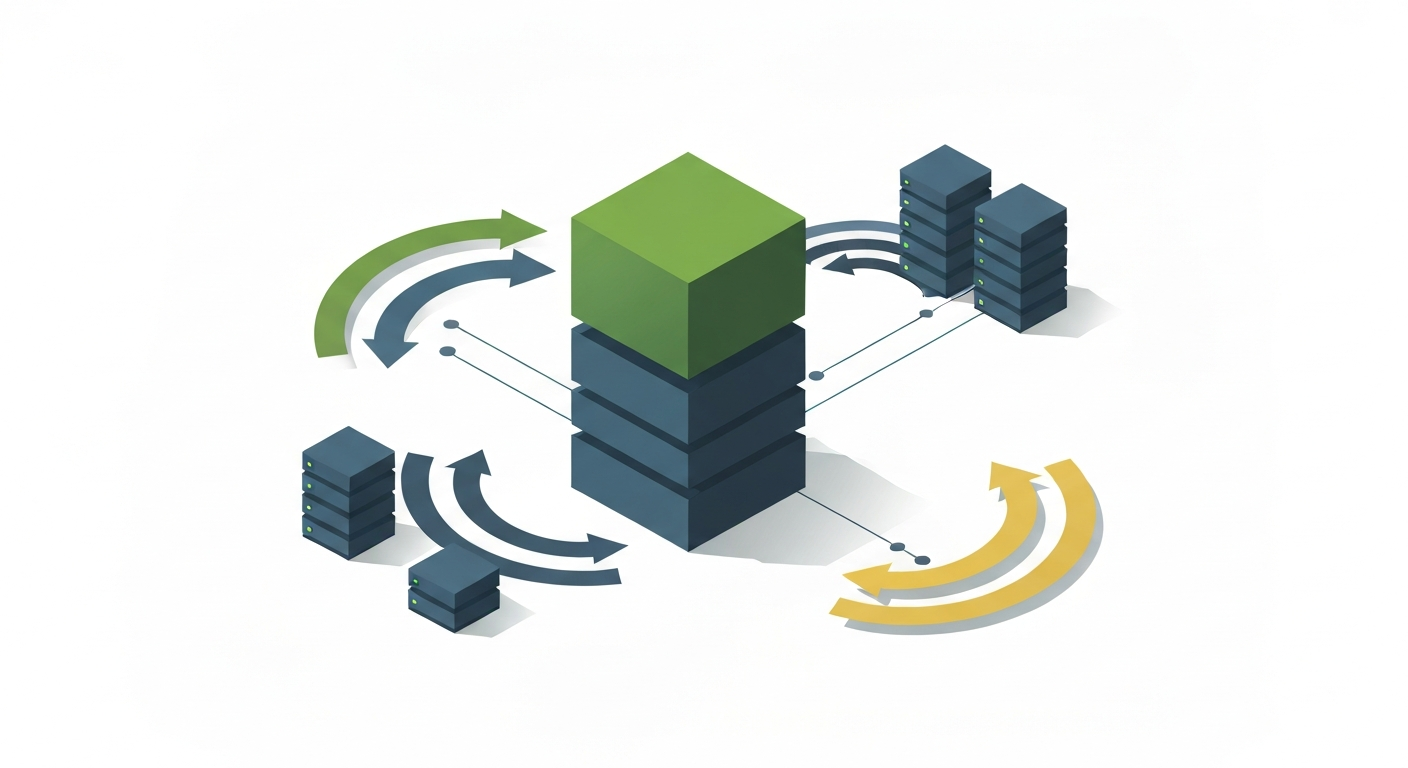
Nvidia AI bubble skepticism: Market context and trends
Nvidia reported record quarterly sales of $57 billion and nearly $32 billion in profit, highlighting extraordinary demand. Tom’s Hardware article
The company guided $65 billion for the next quarter, beating a $62 billion consensus. It cited about $500 billion in unfilled orders, a signal of sustained booking momentum. About 90 percent of sales now come from the data center segment, which concentrates exposure and heightens valuation sensitivity.
Investor sentiment has become bifurcated, with bulls citing structural AI adoption and skeptics warning of valuation excess. AP News
Consequently, shares have retraced roughly 10 percent since late October, leaving the market to price a mix of growth and risk. Management has publicly rebutted bubble narratives, with Jensen Huang saying, “There’s been a lot of talk about an AI bubble,” and asserting durable adoption. The Motley Fool
Competitors and cloud providers are responding tactically because they seek to diversify supply and build proprietary stacks, which alters bargaining dynamics across the ecosystem.
Key market forces
- Demand concentration in data centers, therefore revenue sensitivity to large customer purchasing patterns
- Massive unfilled orders, which indicate strong near-term demand but also create execution risk
- Valuation gap between forward expectations and short-term performance, consequently increasing volatility
- Strategic investments and partnerships, which deepen ecosystem control and limit competitor access
- Competitive supply responses and custom accelerator development, which could normalize margins over time
Therefore, the landscape mixes durable structural demand with episodic valuation risk, and strategic execution will determine which participants convert AI momentum into sustainable shareholder value.
Source notes
- Nvidia figures derived from company financial results and management commentary. See full release: Nvidia Announces Financial Results for Third Quarter Fiscal 2026
- Competitive rows summarize publicly stated corporate roadmaps and market commentary. Figures reflect high-level estimates rather than single-source audited market shares.
Strategic maneuvers amid Nvidia AI bubble skepticism
Nvidia pivoted quickly from reporting record results to framing narrative control, because management sought to align investor expectations with execution realities. The company emphasized forward guidance, book-to-bill signals, and partnership depth to rebut valuation concerns. Jensen Huang said, “There’s been a lot of talk about an AI bubble,” and added that the firm sees “something very different” Nvidia CEO hits back at AI bubble, circular investing fears — We see something very different. CFO statements on large booked demand likewise reinforced the message; see the AP summary of earnings and guidance.
- Deepening ecosystem control through equity stakes and alliances, for example with OpenAI and Anthropic, which therefore lock in demand and reduce customer churn NVIDIA announces financial results for third quarter fiscal 2026.
- Reallocating capital toward capacity expansion, which addresses near-term supply constraints while increasing fixed-cost leverage.
- Communicating detailed booking metrics and customer wins, thereby improving transparency and dampening speculative narrative.
Analysts note trade-offs because concentration in data centers raises execution risk; nonetheless, many concede that Nvidia’s position remains durable (see analysis at The Motley Fool: Is Nvidia in an AI bubble? Here’s what Huang says). Consequently, the firm trades higher near-term operational pressure for stronger structural moats, and strategic execution will determine whether skepticism converts to enduring investor confidence.
Analysts should therefore monitor four indicators:
- First, quarterly booking to revenue conversion rates.
- Second, capital expenditure and capacity ramp pacing.
- Third, customer diversification beyond hyperscalers.
- Fourth, competitor supply responses and custom accelerator development.
Company communications show deliberate narrative management because management aims to reduce uncertainty. Jensen Huang said, “There’s been a lot of talk about an AI bubble.” Consequently, market outcomes will depend on execution and competitive dynamics. For investors and executives, monitoring these operational metrics will clarify whether current forecasts justify prevailing valuations.
Frequently Asked Questions (FAQs)
What does Nvidia AI bubble skepticism mean?
Nvidia AI bubble skepticism refers to investor concerns that Nvidia’s valuation exceeds sustainable fundamentals. It focuses on concentrated data center revenue, elevated forward guidance, and recent stock volatility. Analysts contrast record sales with a roughly 10 percent share pullback.
Do Nvidia’s financials validate bubble concerns?
Financials show record quarterly revenue of $57 billion and net income near $32 billion, and guidance of $65 billion, which exceeded a $62 billion consensus. However, short-term stock declines reflect valuation sensitivity; see Nvidia release for details: Nvidia announces financial results for third quarter fiscal 2026.
How do unfilled orders and concentration affect risk?
About $500 billion in unfilled orders indicate high demand but raise execution risk because capacity ramping can lag bookings. Moreover, with 90 percent of sales from data centers, revenue remains sensitive to a small number of large customers.
What strategic actions has Nvidia deployed to address skepticism?
Nvidia invested in OpenAI and Anthropic, formed partnerships with CoreWeave and xAI, and expanded capacity. Management emphasizes booking metrics and customer commitments to demonstrate durable demand. These moves aim to lock in ecosystem share and reduce churn.
What should stakeholders monitor going forward?
Monitor booking-to-revenue conversion, capex and capacity ramps, customer diversification, and competitive supply responses. Also track quarterly guidance versus consensus and order-book realization rates, because they will determine whether current valuations remain justified.
