


Tata Consultancy Services and TPG announced a $2 billion project to build HyperVault AI data centers in India. The initiative will deliver gigawatt scale, liquid cooled, high density facilities aimed at AI training and inference. TCS intends to deploy roughly 1.2 gigawatts in the initial phase, with TPG providing half the capital. Because India produces near 20 percent of global data, the project addresses a capacity mismatch. However, India currently holds only about 3 percent of global data center capacity. As a result, HyperVault establishes a domestic platform for hyperscalers, cloud providers, and enterprise AI users. The facilities will emphasize power density and network connectivity to support next generation GPUs. Water use, site selection, and leased capacity models will shape operational economics and permitting timelines. Industry observers note that “HyperVault” signals a strategic push to capture AI infrastructure growth. Consequently, investors and incumbent providers will reassess scale plans and regional footprint strategies. Execution remains pivotal.
HyperVault AI data centers in India: Strategic analysis of AI infrastructure investment, data center expansion and technology sector growth
Analytical overview: Market impact of HyperVault AI data centers in India
HyperVault AI data centers in India will recalibrate supply dynamics for high performance compute in the region. The project introduces a multi‑gigawatt platform designed for liquid cooled, high density AI workloads, and it targets immediate demand from hyperscalers and enterprise AI developers. Because the initial phase targets roughly 1.2 gigawatts of capacity funded by a $2 billion program, the initiative materially alters India’s capacity trajectory. Consequently, incumbent operators and global cloud providers will adjust sourcing, leasing, and colocation strategies.
Market impact and capacity dynamics
The HyperVault platform addresses a documented mismatch between data production and local capacity. India generates nearly 20 percent of global data but hosts about 3 percent of global data center capacity. As a result, adding gigawatt scale capacity accelerates domestic compute availability and reduces offshoring of latency sensitive workloads. Major cloud investments signal the same vector, for example Google’s planned $15 billion AI hub in India and Microsoft’s $3 billion pledge to cloud and AI infrastructure. These commitments underpin a broader capacity buildout and validate demand forecasts.
Economic significance and investment trends
Private capital allocation into HyperVault reflects a shift in investor risk appetite toward infrastructure for generative AI and large model training. Because TPG committed substantial equity, HyperVault can leverage debt to scale, and this shifts financing models for future data center projects. Moreover, Amazon’s multi‑billion cloud commitments to India demonstrate parallel corporate strategies and competitive pressure on pricing and service level agreements Amazon’s multi‑billion cloud commitments to India demonstrate parallel corporate strategies and competitive pressure on pricing and service level agreements.
Competitive positioning and ecosystem implications
HyperVault positions TCS as an integrator and operator rather than a simple real estate landlord. Therefore, TCS gains strategic leverage to co‑design solutions with hyperscalers. However, regional incumbents such as Reliance and CtrlS remain direct competitors on site selection and power procurement. In turn, hyperscalers will evaluate trade offs between proprietary campuses and leasing from HyperVault.
Operational constraints and sustainability considerations
High power density and liquid cooling increase efficiency, yet cooling demands raise water intensity risks. Industry analysis links 1 MW loads to significant annual water use, reinforcing the need for closed loop and reuse systems Industry analysis links 1 MW loads to significant annual water use, reinforcing the need for closed loop and reuse systems. Consequently, permitting and community impact will affect development timelines in Mumbai, Bengaluru and Chennai.
Key insights
- HyperVault accelerates domestic compute capacity and reduces latency for AI workloads
- Private equity enables faster scale but increases leverage dependence
- TCS shifts toward platform operator status, altering competitive dynamics
- Sustainability and water usage present potential bottlenecks for deployment
These points frame HyperVault as a strategic infrastructure play with direct implications for capital allocation, competitive positioning and regulatory engagement across India’s technology sector.
Comparative table: HyperVault AI data centers in India and major providers
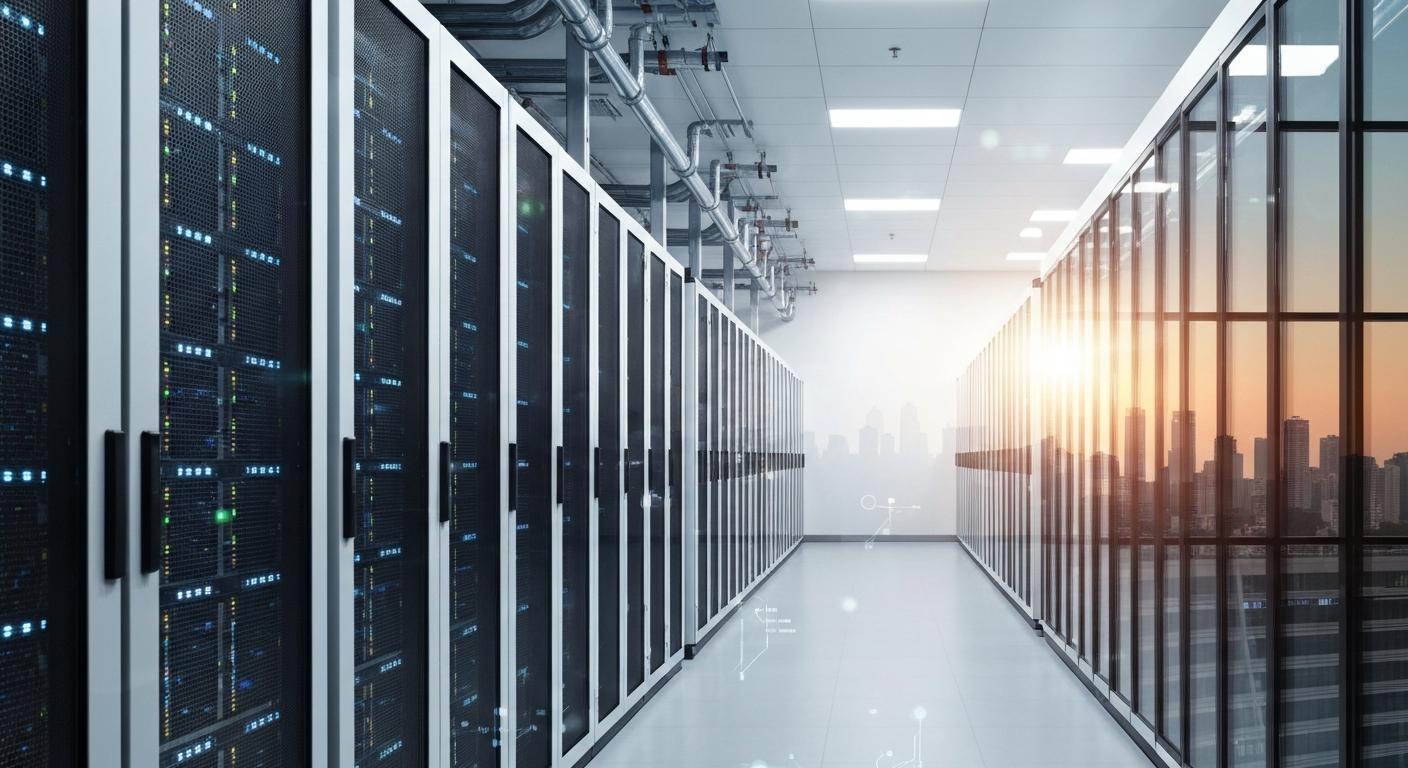
HyperVault AI data centers in India mark a strategic inflection for domestic AI compute capacity. TCS and TPG plan to deploy gigawatt scale liquid cooled facilities to support training and inference workloads. Because the program prioritizes leased capacity, hyperscalers and enterprise users will reevaluate sourcing and colocation strategies. As a result, the deal alters competitive dynamics for incumbents such as Reliance and CtrlS. However, environmental constraints and water intensity will influence permitting and operational timelines. Investors will therefore track leverage, uptime metrics and power procurement to assess execution risk. Moreover, TCS gains leverage by offering integrated infrastructure and platform services instead of real estate. Consequently, HyperVault establishes a domestic platform with direct implications for capital allocation and market structure.
Frequently Asked Questions (FAQs)
What are HyperVault AI data centers in India?
HyperVault AI data centers in India are a TCS and TPG funded program. It is a $2 billion initiative that targets gigawatt scale, liquid cooled, high density facilities. TCS plans about 1.2 gigawatts in the initial phase.
What market impact should stakeholders expect?
The program increases domestic compute capacity and reduces latency for AI workloads. Therefore, hyperscalers and enterprises will reassess sourcing and leasing strategies.
What competitive advantages does HyperVault offer?
HyperVault combines integrated operations, liquid cooling, and co-design with hyperscalers. Industry observers note that “HyperVault signals a strategic push to capture AI infrastructure growth.” As a result, TCS moves beyond leasing into platform services.
What operational risks merit attention?
Water intensity, permitting delays, and capital leverage present primary risks. Consequently, investors will monitor power procurement, uptime metrics, and permitting timelines.
How will timelines and partnerships shape outcomes?
The phased rollout depends on land, power, and regulatory clearances. Moreover, partnerships with cloud providers will determine initial uptake and revenue cadence.
Frequently Asked Questions (FAQs)
What are HyperVault AI data centers in India?
HyperVault AI data centers in India are a TCS and TPG funded program. It is a $2 billion initiative that targets gigawatt scale, liquid cooled, high density facilities. TCS plans about 1.2 gigawatts in the initial phase.
What market impact should stakeholders expect?
The program increases domestic compute capacity and reduces latency for AI workloads. Therefore, hyperscalers and enterprises will reassess sourcing and leasing strategies.
What competitive advantages does HyperVault offer?
HyperVault combines integrated operations, liquid cooling, and co-design with hyperscalers. Industry observers note that “HyperVault signals a strategic push to capture AI infrastructure growth.” As a result, TCS moves beyond leasing into platform services.
What operational risks merit attention?
Water intensity, permitting delays, and capital leverage present primary risks. Consequently, investors will monitor power procurement, uptime metrics, and permitting timelines.
How will timelines and partnerships shape outcomes?
The phased rollout depends on land, power, and regulatory clearances. Moreover, partnerships with cloud providers will determine initial uptake and revenue cadence.
How do hyperscale data centers in India differ from typical colocation sites?
Hyperscale facilities prioritize multi-megawatt footprints, higher power density, on-site substations, and extensive fiber. They support large AI clusters and offer campus-level services rather than single-rack colocation.
How will HyperVault manage water usage and sustainability for AI compute?
The project will likely use liquid cooling with closed-loop systems, water recycling, and alternatives such as air-side economization to reduce water intensity. In addition, renewable PPAs and efficiency metrics such as PUE will guide sustainability.
What should stakeholders know about power procurement and permitting?
Developers require long-term PPAs, grid capacity upgrades, and state environmental clearances. Therefore, securing stable contracts and engaging early with regulators are critical to avoid schedule slippage.
