


DJI Osmo Action 6 emerges as DJI’s latest contender in the action camera segment. The product repositions DJI toward premium low-light performance, and it signals a focused push against established rivals. Because the model combines a larger sensor and a first-of-its-kind variable aperture. The device aims to change user expectations for night and mixed-light capture.
Overview
The camera targets creators and prosumers who demand stabilized, high-resolution footage. Notably, it emphasizes sensor size, enhanced stabilization, and flexible exposure control. Therefore, DJI expects to compete on image quality and workflow convenience rather than on accessory ecosystems alone.
Key strategic attributes
- Larger sensor and adjustable aperture for low-light gains
- Advanced stabilization and expanded audio support, which improve production value
- Integrated storage and higher data throughput to speed workflows
Market implications
As a result, DJI may pressure GoPro and Insta360 on features and pricing. However, incumbents retain advantages in brand adoption and accessory compatibility. “Custom” modes and new tone profiles provide tactical differentiation, and they could drive software-led upgrades in this category.
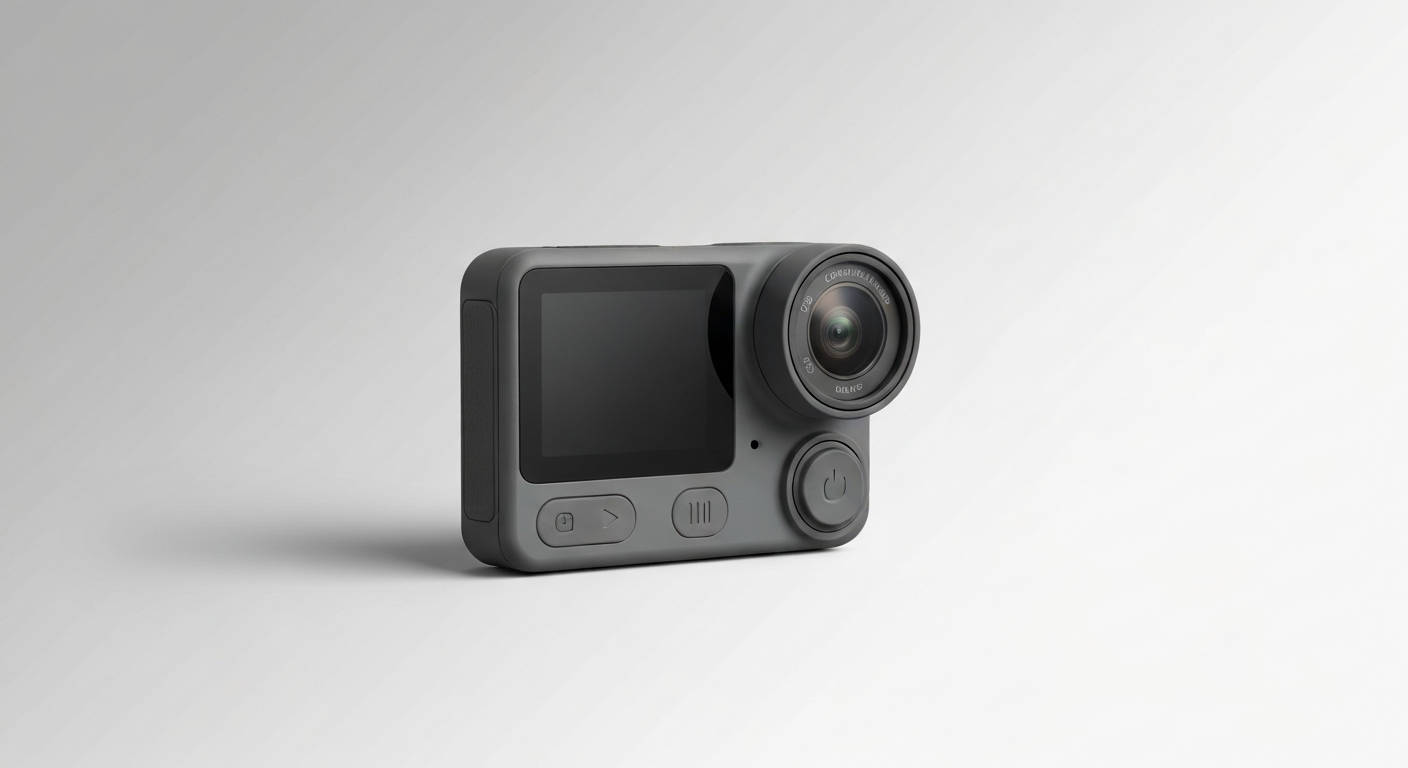
DJI Osmo Action 6: Feature Summary and Strategic Rationale
DJI Osmo Action 6 centers on low-light performance improvements and workflow efficiency. The camera pairs a larger 1/1.1-inch square sensor with a variable aperture system. Because of this, it targets creators who need better night capture and flexible exposure control. The unit ships with 50GB internal storage and a microSD slot, and it supports high throughput via USB-C at up to 800MB/s. DJI positions the product to compete on image quality and production speed rather than on accessory lock‑in.
Technical profile and tactical features
The camera supports vertical and horizontal 4K at 60 frames per second. It also offers a Custom 3,840 by 3,840 square video mode for social workflows. Rocksteady 3.0 improves stabilization, especially in low light. Two removable lenses extend capability to macro and ultra wide fields of view. Dual wireless microphone input increases on‑set audio flexibility. Battery endurance is rated at 1,950mAh, with four hours at 1080p and two hours at 4K.
Strategic alignment with DJI corporate goals
DJI uses the Osmo Action 6 to broaden its imaging franchise. Therefore, the product amplifies DJI’s software and sensor capability investments. The move supports higher ASPs and recurring software engagement. Moreover, DJI leverages its ecosystem by offering integrated storage and fast data transfer. However, the company stops short of fully manual aperture control; the aperture options are limited to fixed modes such as f/2.6, f/2.8 and f/4.0.
Market implications and competitive posture
The product is priced starting at $369. Consequently, it enters near the mid‑tier of the action camera market. The price and feature set place pressure on incumbents while preserving room for premium add‑ons. DJI’s emphasis on night video and workflow convenience differentiates it from rivals.
Competitor comparison
For primary sources and specification details see DJI’s product page at DJI’s product page and Engadget’s review at Engadget’s review. For competitor context consult GoPro and TechRadar coverage at TechRadar coverage.
The table highlights where DJI bets on sensor and software advantages. As a result, DJI aims to capture users who prioritize image quality and rapid postproduction.
DJI Osmo Action 6 versus Major Competitors
DJI Osmo Action 6 positions DJI on low-light imaging and workflow efficiency. Because it pairs a larger 1/1.1-inch square sensor with a variable aperture mechanism, the camera aims to raise image quality expectations. Consequently, DJI targets prosumers and content teams who value stabilized night footage and faster postproduction. The device therefore functions as both a hardware and software play within DJI’s broader imaging strategy.
DJI marries hardware improvements with software differentiation. The product page documents core specs and ecosystem links at DJI Osmo Action 6. Moreover, the camera’s 50GB internal storage and 800MB/s USB-C speeds reduce transfer friction. As a result, users may shorten time to edit and publish.
Competitor context remains relevant for positioning. For example, TechRadar’s GoPro coverage provides market context and feature benchmarks at TechRadar GoPro coverage. Sony’s product page clarifies an alternative hardware approach at Sony FDR-X3000 product page. Therefore, buyers can compare stabilization philosophies, sensor choices, and accessory models.
The following table summarizes key specifications and unique selling points. It highlights areas where DJI seeks tactical advantage, such as sensor size, aperture flexibility, and integrated storage.
The table clarifies tradeoffs across platforms. DJI emphasizes image quality and workflow speed, while competitors emphasize resolution or accessory ecosystems. Therefore, the Osmo Action 6 targets users who trade peak-resolution for practical low‑light performance and faster production cycles.
Market and industry impact
DJI Osmo Action 6 introduces a tactical shift in the action camera market. Because DJI pairs a larger 1/1.1-inch sensor with aperture flexibility, the company targets improved low-light capture. According to DJI’s product page, the camera also adds integrated storage and fast USB transfer speeds. See DJI Osmo Action 6 specifications.
The move pressures incumbents on practical image quality rather than peak resolution. For example, reviewers note the camera’s night improvements and workflow features. Engadget highlights low-light gains and software options at Engadget review of DJI Osmo Action 6. Therefore, GoPro and others may accelerate firmware and sensor updates.
Consumer demand now favors content-ready workflows and vertical video support. As a result, DJI’s Custom modes and vertical 4K60 capability address social publishing needs. Moreover, integrated 50GB storage reduces time to edit, which shortens production cycles.
From a market share perspective, DJI’s $369 entry price positions it near mid-tier devices. Consequently, the company can expand average selling prices through software and accessory monetization. However, brand loyalty and accessory ecosystems remain incumbent strengths.
In sum, DJI’s release functions as both a hardware upgrade and a software strategy. Thus, the Osmo Action 6 is likely to prompt feature parity moves and renewed competition on workflow efficiency.
The DJI Osmo Action 6 functions as a strategic hardware and software asset for DJI. Therefore, it advances DJI’s imaging franchise and raises competitive expectations for low-light capture. It positions the company to command higher average selling prices and ecosystem monetization.
Moreover, integrated storage, fast USB transfer, and vertical 4K60 target content workflows. Consequently, DJI can shorten time to publish for prosumers and content teams. This opens upsell paths in accessories and software subscriptions.
However, the camera faces challenges from entrenched accessory ecosystems and brand loyalty. Additionally, aperture control remains limited despite the variable system, which may constrain some professionals. Still, if DJI leverages software updates and “Custom” modes effectively, it can sustain momentum.
Frequently Asked Questions (FAQs)
What strategic gap does the DJI Osmo Action 6 fill for DJI?
The Osmo Action 6 targets low-light capture and workflow friction. DJI combined a larger 1/1.1-inch sensor, variable aperture presets, and 50GB internal storage. Therefore, the model extends DJI’s imaging franchise and supports higher average selling prices.
How might competitors respond?
Competitors may accelerate firmware and sensor updates. GoPro and others will likely emphasize peak resolution and accessory ecosystems. However, DJI’s workflow focus could force parity moves on transfer speeds and vertical video.
What revenue opportunities emerge?
Integrated storage and fast USB transfers shorten time to publish. Consequently, DJI can upsell accessories, batteries, and software subscriptions. The $369 entry price enables mid-tier market penetration with upsell potential.
What risks could constrain adoption?
Accessory lock-in and existing brand loyalty remain barriers. Limited manual aperture exposure reduces appeal for some professionals. Supply chain or regulatory changes could also affect rollout.
What metrics should analysts monitor?
Track firmware cadence, accessory attach rates, and unit sell-through. Moreover, monitor adoption of “Custom” modes and vertical 4K60 workflows as indicators of market traction.
