


Google launched the Google Nano Banana Pro image generator in 2025, positioning it as a high-resolution image-generation offering. It runs on Gemini 3 Pro and can produce 4K resolution images while integrating web-sourced knowledge for informative visuals. Moreover, Google offers a free trial within the Gemini app, and Google One subscribers receive additional generation capacity. As Google DeepMind product lead Nicole Brichtova noted, “Text rendering is improved,” which addresses prior mislabeling and misspelling limitations. Strategically this tool signals a shift in Google’s enterprise play because it enables branding visuals, integrates with Slides and Ads workflows, and supports multilingual text output; therefore analysts should interpret the launch as a measured bid to secure marketing budgets and widen competitive differentiation across AI-generated corporate content.
Google Nano Banana Pro image generator: Technical specifications and competitive positioning
Google’s Nano Banana Pro image generator launched as a Gemini 3 Pro–based model with explicit engineering for high-fidelity, information-rich visuals. It outputs native 4K images and improves on prior label and typography failures, which Google DeepMind product lead Nicole Brichtova summarized as “Text rendering is improved.” Therefore the release reads as a tactical expansion of Google’s content-generation stack into enterprise creative workflows.
Technical specifications
- Model foundation: Gemini 3 Pro, optimized for multimodal reasoning and world-knowledge grounding.
- Resolution: native 4K export with 2K fallback for lower-latency use cases.
- Compositing: supports up to 14 source images and maintains likeness consistency for up to five individuals.
- Text handling: enhanced typography, multilingual glyph coverage, and diacritic support for languages such as Czech.
- Web integration: on-demand incorporation of Google Search results for data-driven infographics and visuals.
- Editing controls: localized selection, color grading, lighting adjustment, and camera-angle manipulation.
- Provenance features: SynthID marking and visible provenance signals on generated assets.
These specifications align with Google’s published announcement and independent coverage of the rollout
(Google blog;
TechRadar;
Tom’s Guide).
Systems integration and deployment
Nano Banana Pro is available across the Gemini app, Google Ads, Google Slides, and developer endpoints such as the Gemini API and Google AI Studio. Consequently organizations can pipeline generation into creative, advertising, and presentation systems. Google implements a tiered access model with free trials and expanded quotas for Google One and paid AI tiers.
Competitive positioning and market implications
Google leverages Search integration and cloud scale to differentiate its offering from Adobe Firefly, independent open models, and specialist providers. As a result, Nano Banana Pro has a credible path to capture marketing budgets by coupling asset creation with ad delivery systems. However competitors retain strengths in established creative ecosystems and third-party plugin networks. Therefore analysts should interpret the launch as a strategic move to consolidate enterprise adoption and defend ad-tech revenue streams.
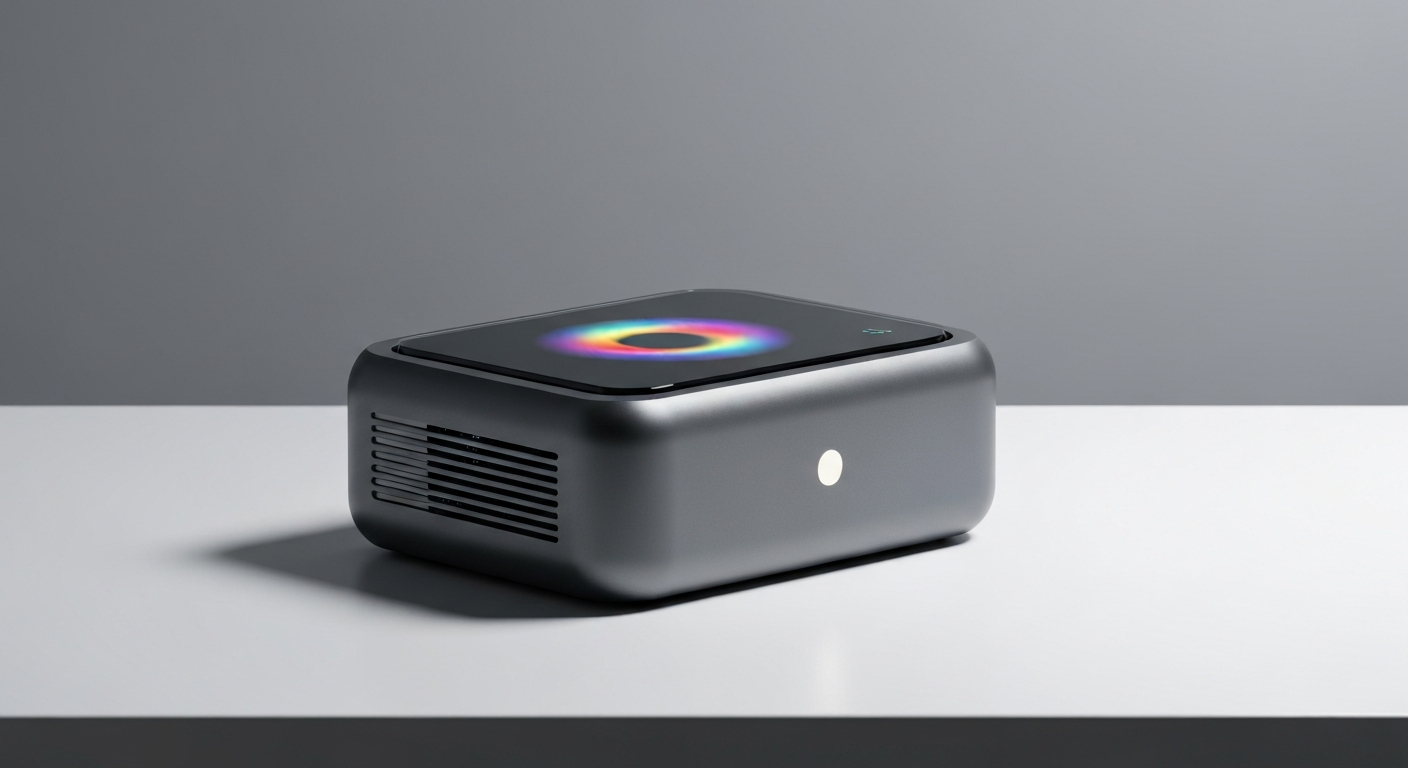
Image source: Image source
Google Nano Banana Pro image generator: comparative specifications and competitors
The following table frames Google Nano Banana Pro image generator specifications against key market alternatives. It highlights processor foundations, export capabilities, market entry timing, and tactical features. Therefore readers can quickly assess strategic differentiation and go-to-market implications.
Analysts should note that Google’s public documentation details technical claims and availability at Google Nano Banana Pro documentation. Independent coverage contextualizing market impact appears at TechRadar coverage: Google Nano Banana Pro and Tom’s Guide coverage: Nano Banana Pro features. Consequently, the table supports tactical assessment of vendor strengths and adoption vectors.
Market impact and strategic implications of the Google Nano Banana Pro image generator
Google’s Nano Banana Pro image generator recalibrates baseline expectations for enterprise image generation. It delivers native 4K outputs, integrated Search-driven context, and improved text rendering. Therefore the product sets a higher technical bar for vendors aiming at marketing and corporate creative spend.
Immediate market shifts
- Adoption vector: Marketing and ad teams will test generative imagery integrated directly into campaign workflows, because the tool links to Google Ads and Slides.
- Standards pressure: Competitors must match high-resolution native export and multilingual text fidelity to remain competitive.
- Procurement dynamics: Enterprises may favor providers with strong provenance and workflow integration, as this reduces operational friction.
Competitive responses and positioning
Adobe, OpenAI, and Stability AI possess distinct defensive advantages. Adobe retains deep Creative Cloud integration and brand controls. OpenAI continues to push API-driven model improvements. Stability AI preserves on-premise and customization options. However Google leverages Search data and cloud scale to unite creative generation with ad monetization. As a result, Nano Banana Pro has tactical leverage in capturing marketing budgets tied to campaign execution.
Analyst perspectives and market data
Industry observers cite the importance of workflow integration when forecasting platform share gains. For context, Google’s announcement describes the feature set at Google Blog: Nano Banana Pro feature set. Independent reviews contextualize these claims and early tests at TechRadar coverage and Tom’s Guide coverage.
Strategic takeaway
Consequently, the launch represents a defensive and offensive move. It defends ad-tech revenue streams and pursues new enterprise touchpoints. Analysts should monitor adoption within marketing stacks and vendor responses over the next two quarters.
The Google Nano Banana Pro image generator consolidates Google’s position in enterprise image generation. It pairs Gemini 3 Pro model capabilities with native 4K output and Search-driven context. Therefore it raises technical expectations for high-fidelity text rendering and provenance.
Strategically, the product integrates with advertising and presentation workflows, creating direct paths to marketing budgets. As a result, competitors must accelerate integration and fidelity improvements to protect market share. However incumbents like Adobe retain ecosystem advantages that will slow rapid displacement.
Consequently analysts should track adoption rates within ad operations and creative teams. Over the next quarters, adoption metrics and vendor responses will clarify market realignments. Therefore stakeholders should monitor integration, licensing, and provenance controls as leading indicators.
Frequently Asked Questions (FAQs)
What is the Google Nano Banana Pro image generator?
The Google Nano Banana Pro image generator is a Gemini 3 Pro based image generator released by Google in 2025. It produces native 4K images and integrates web sourced context for data driven visuals. For official technical details see official technical details.
How does Nano Banana Pro differ from competing offerings?
Nano Banana Pro emphasizes Search integration and world knowledge, which supports informative infographics and accurate context. It also improves text rendering and multilingual glyph coverage. Independent coverage that contrasts these capabilities with competitors appears at TechRadar and Tom’s Guide.
Source: TechRadar, Tom’s Guide
Who can access Nano Banana Pro and what are the access tiers?
Users can try the tool inside the Gemini app at no charge. Google One subscribers receive expanded generation quotas and priority access. Google’s public announcement details the access model.
What enterprise workflows does it support?
The tool integrates with Google Slides and Google Ads and exposes developer endpoints. Consequently organizations can pipeline asset generation into campaigns and presentations. This integration links creative generation directly to ad delivery systems.
What limitations and procurement considerations apply?
Early labeling and typography errors informed the update to text rendering, yet fidelity varies by prompt complexity. Buyers should evaluate provenance controls, SynthID marking, and licensing before enterprise deployment. For context and testing notes consult Tom’s Guide.
