

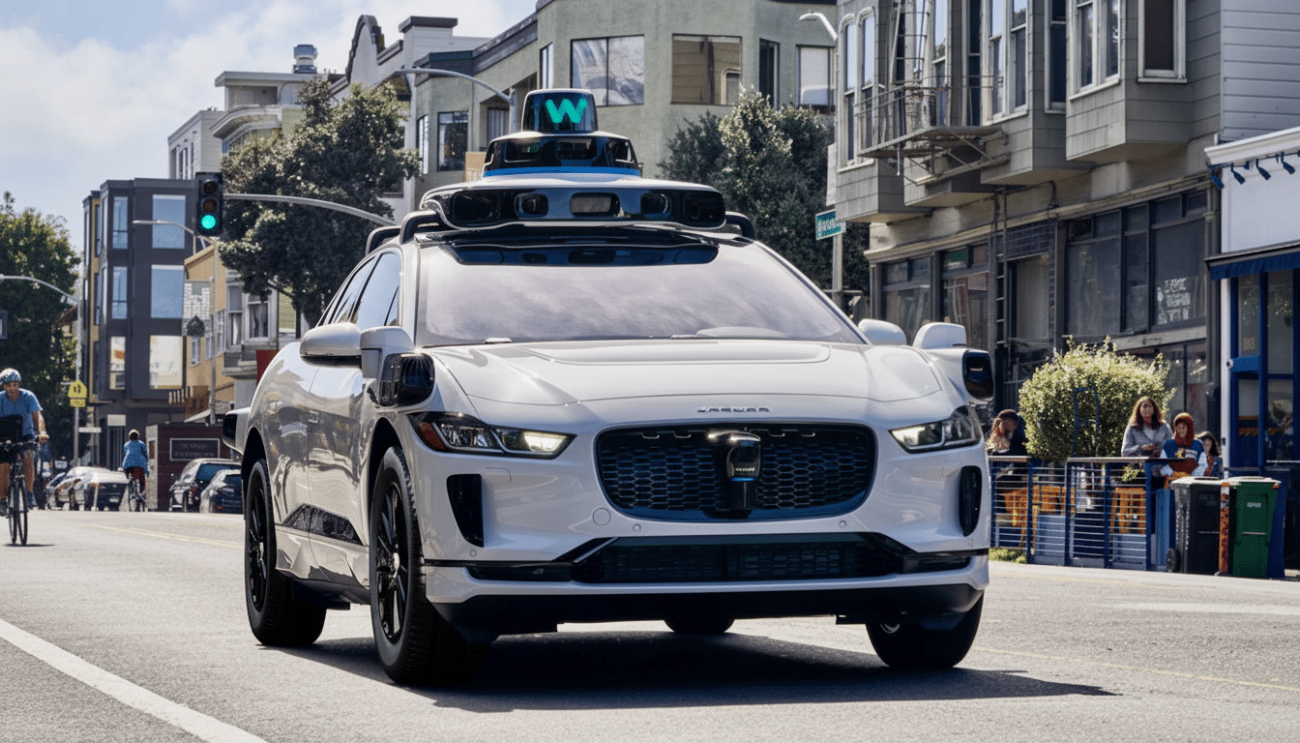
Waymo regulatory approval to expand autonomous driving across California Bay Area and Southern California. The decision appears in company statements and regulatory filings. Additionally, it authorizes testing in the East Bay, North Bay, Sacramento and much of coastal Southern California. Waymo stated, “We’re officially authorized to drive fully autonomously across more of the Golden State,” and outlined phased deployments. Because California represents a critical testbed for robotaxi operators, the approval both accelerates Waymo’s regional scale strategy and raises competitive pressure on rivals, therefore prompting city planners, transit authorities and insurers to reassess safety protocols and infrastructure planning; however, additional regulatory clearances remain necessary before Waymo can carry paying passengers in all newly approved areas, and the company continues to hedge timelines by projecting that “Next stop: welcoming riders in San Diego in mid-2026,” which signals targeted commercial ambitions while acknowledging regulatory variability and operational constraints across municipal jurisdictions (California Department of Motor Vehicles; Waymo press release).
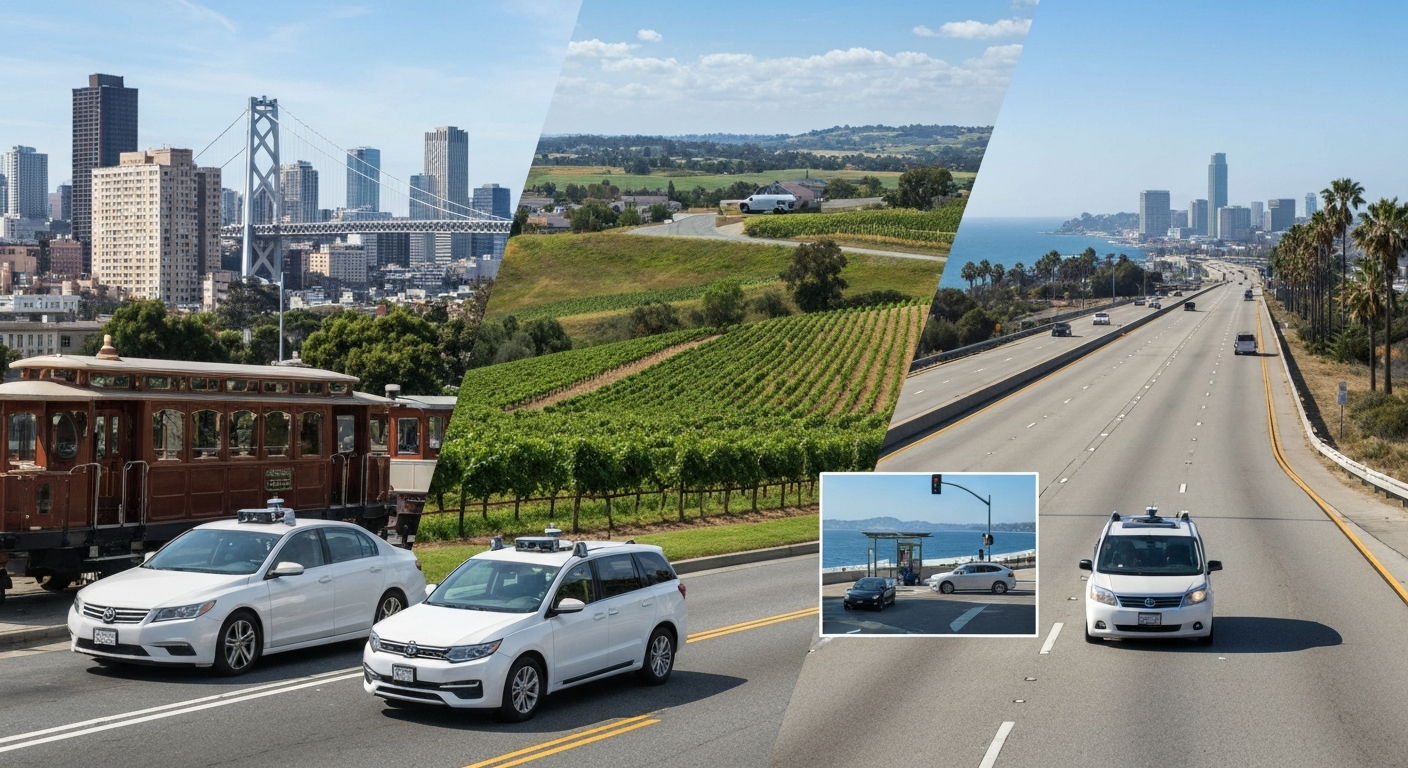
Strategic Implications of Waymo regulatory approval to expand autonomous driving across California Bay Area and Southern California
Regulators authorized Waymo to operate fully autonomous vehicles across expanded Bay Area and Southern California corridors, a development that recalibrates competitive dynamics and regional mobility planning. Because the California Department of Motor Vehicles and municipal agencies control operational envelopes, the approval accelerates Waymo’s tactical path to scale while imposing layered compliance obligations. Tech industry coverage confirms the expanded test footprint includes the East Bay, North Bay, Sacramento and coastal Southern California from Santa Clarita to San Diego; see full reporting at TechCrunch reporting and background on route and freeway deployments at AP News background on route and freeway deployments. Waymo’s corporate channels further outline phased deployment and commercial planning; consult Waymo press for official statements.
Strategic implications include the following operational and market shifts
- Competitive positioning shifts because Waymo secures denser route coverage ahead of rivals, thereby raising barriers to entry for smaller robotaxi operators Source: TechCrunch
- Regulatory complexity increases as local ordinances, insurance requirements and CPUC clearances may vary across jurisdictions, which therefore affects time to revenue Source: AP News
- Infrastructure demands grow for mapping, V2X readiness and curbside management, and cities must allocate capital and permitting resources accordingly Source: Waymo press
Stakeholders should note that Waymo frames the approval as a capacity milestone, saying, “We’re officially authorized to drive fully autonomously across more of the Golden State,” which signals intent to convert testing to rider operations. However, additional clearances remain necessary before full paid service expansion, and the company will need sustained regulatory coordination to monetize its expanded footprint.
Comparative table: Waymo regulatory approval to expand autonomous driving across California Bay Area and Southern California versus competitors
Waymo
- Regulatory approval status: Authorized to operate fully autonomous in expanded Bay Area and SoCal corridors; phased commercial clearances pending
- California Bay Area and Southern California presence: Operates in San Francisco, Silicon Valley, East Bay, North Bay, Sacramento and coastal SoCal from Santa Clarita to San Diego
- Operational scale and deployment notes: Multi-city robotaxi deployments; plans to welcome riders in San Diego mid-2026; continued mapping and freeway testing
- Key sources:
Waymo gets regulatory approval to expand across Bay Area and Southern California,
Waymo press
Cruise (GM)
- Regulatory approval status: Under intense regulatory scrutiny; legal and reporting remediation completed recently
- California Bay Area and Southern California presence: Historically operated in San Francisco; operations were suspended and now limited supervised testing resumes
- Operational scale and deployment notes: Large-scale fleet previously; capacity reduced by regulatory action, rebuilding trust and compliance roadmap
- Key sources:
Justice Department press release,
CBS News article
Motional
- Regulatory approval status: Active pilot programs; strategic pauses to prioritize technology and cost controls
- California Bay Area and Southern California presence: Piloted services in Las Vegas and Southern California; limited activity in Santa Monica and surrounding areas
- Operational scale and deployment notes: Provided over 100,000 rider trips in pilots; commercial launches deferred while tech is refined
- Key sources:
Motional Invests in Las Vegas Operations with Expanded Testing and R&D Capabilities
Zoox (Amazon)
- Regulatory approval status: Conducting trials and limited free rides; charging permission variable by jurisdiction
- California Bay Area and Southern California presence: Started free robotaxi rides in select San Francisco neighborhoods; presence expanding in other markets
- Operational scale and deployment notes: Vehicle architecture differs from competitors; trial deployments intended to accelerate regulatory acceptance
- Key sources:
AP News article
Nuro
- Regulatory approval status: Holds California permits for commercial autonomous delivery in specific zones
- California Bay Area and Southern California presence: Operates delivery services in parts of Silicon Valley and nearby cities under permit conditions
- Operational scale and deployment notes: Focused on low-speed delivery; operating envelopes constrained by permit terms
- Key sources:
California DMV approves Nuro to use autonomous vehicles for commercial service,
Nuro LEIP Revisions (PDF)
Notes: table entries summarize current public filings and press reporting. External sources verify regulatory and operational status.
Potential Challenges and Risks Following Waymo Regulatory Approval
Regulatory approval expands Waymo’s operational envelope, but it immediately creates layered compliance risks for the company and local authorities (TechCrunch article). Because California jurisdictions vary, permitting, insurance and municipal ordinances will complicate rollout timelines.
Key risk areas include
- Regulatory fragmentation. Local and state requirements now intersect with CPUC and DMV oversight, which therefore may delay commercial launches. Past enforcement actions against competitors illustrate enforcement volatility (Justice Department press release).
Source: DOJ press release
- Technological and operational risk. Sensor edge cases, mapping drift and freeway interactions increase failure modes. As a result, Waymo must scale validation and fallback protocols. It must retain conservative safety margins during fleet expansion (Waymo press release).
Source: Waymo press release
- Market and commercial risk. Customer adoption, insurer pricing and municipal acceptance may vary, and competitors could exploit gaps to gain local share (AP News article).
Source: AP News article
Therefore stakeholders should treat the approval as conditional progress. Additional clearances and sustained regulatory coordination remain prerequisites for profitable expansion.
Waymo regulatory approval to expand autonomous driving across California Bay Area and Southern California represents a material operational milestone with strategic consequences. Regulators cleared expanded testing corridors, which therefore enhances Waymo’s route density and regional scale economics. Because California functions as a primary regulatory bellwether, the approval raises the stakes for competitors and municipal planners. Waymo framed the development as a capacity inflection, stating, “We’re officially authorized to drive fully autonomously across more of the Golden State,” which signals intent to convert testing into commercial operations.
However, the milestone is conditional. Local permitting, insurance negotiation and additional clearances remain outstanding, and therefore timelines to revenue are uncertain. For stakeholders and analysts, the approval refines competitive forecasts and prioritizes regulatory engagement, infrastructure investment and risk mitigation in the near term.
Frequently Asked Questions (FAQs)
What does Waymo regulatory approval to expand autonomous driving across California Bay Area and Southern California authorize?
Regulators authorized Waymo to operate fully autonomous vehicles across expanded Bay Area and Southern California corridors. Therefore it covers the East Bay, North Bay, Sacramento and coastal SoCal. Source: TechCrunch article.
Does the approval permit Waymo to carry paying passengers immediately?
No. However, additional local and commercial clearances remain necessary before paid service. See Waymo press page.
How will this approval affect competitive positioning?
Waymo gains denser route coverage and scale advantages. As a result, smaller operators face higher market entry barriers and must adapt strategy.
What regulatory risks could impede rollout?
Fragmented municipal permits, differing insurance requirements and state oversight could delay launches. For example, past enforcement actions show volatility (Justice Department press release).
What is the realistic near-term commercial timeline?
Waymo projects to welcome riders in San Diego mid-2026, but timelines depend on local approvals, operational validation and insurer agreements.
