

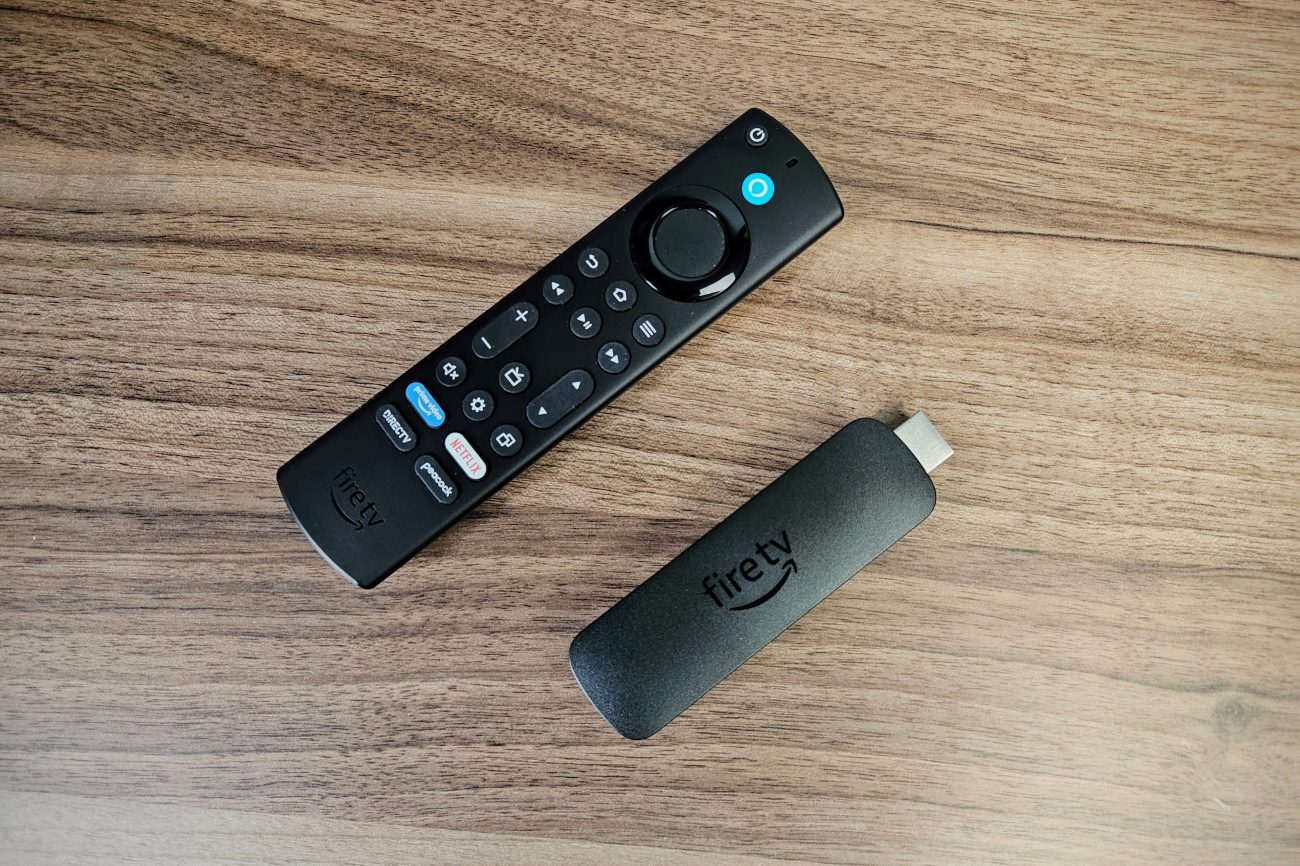
Amazon’s Fire TV Stick 4K Max Black Friday deal reduces the unit price to thirty-five dollars. The reduction equals forty-one percent off the manufacturer’s suggested retail price of sixty dollars. Market observers characterize the promotion as a tactical move to expand share in living-room hardware. Because it compresses price differences with lower-tier devices, the deal foregrounds premium features. Analysts note that the 4K Max supports Dolby Vision, Dolby Atmos and Wi‑Fi 6E connectivity. Engadget described it as “one of its favorite streaming devices,” which bolsters perceived product quality. Consequently, competitors face pressure to respond on price or bundle propositions. Therefore device makers may prioritize feature bundling and channel promotions during the holiday quarter. As a result, distributors and retail partners can expect elevated volume and marketing focus. Overall, the Black Friday pricing reflects a calibrated commercial tactic rather than a transient clearance event.
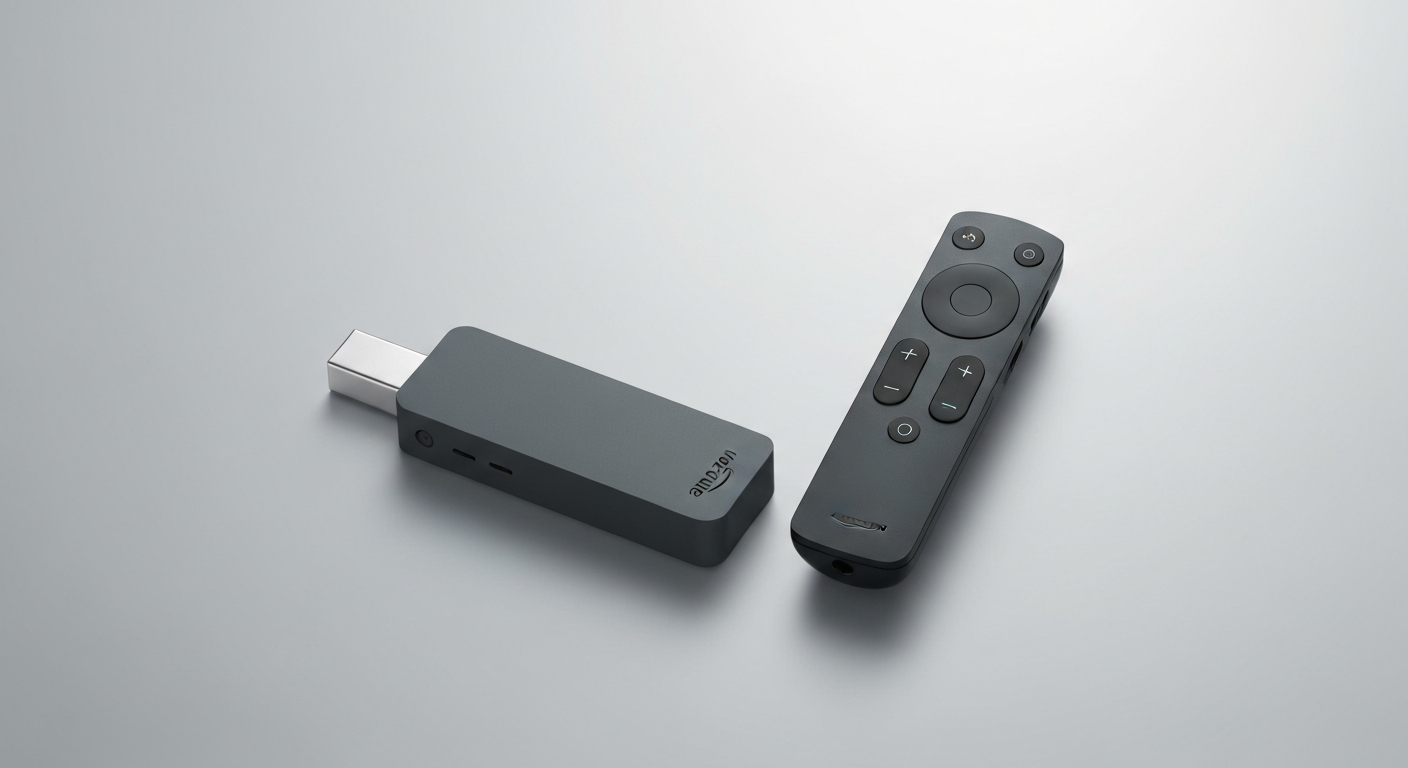
Market competitiveness of the Amazon Fire TV Stick 4K Max Black Friday deal
The Amazon Fire TV Stick 4K Max Black Friday deal recalibrates competitive dynamics in the streaming stick segment by compressing the price-to-feature gradient between premium and basic devices. Priced at thirty-five dollars, the unit sits forty-one percent below the manufacturersuggested retail price of sixty dollars and undercuts many rival propositions on headline price while retaining advanced capabilities such as Dolby Vision, Dolby Atmos, HDR10+, and Wi‑Fi 6E connectivity Engadget. Because premium feature differentiation often drives upstream ASP capture, the discount represents a deliberate volume-first strategy intended to accelerate installed base growth ahead of the holiday consumption cycle.
Comparative benchmarks indicate that Amazon’s pricing places the 4K Max in direct pressure on competing sticks from Roku and Google in the subfifty dollar tier, while simultaneously narrowing the gap versus entrylevel units such as the Fire TV Stick HD, which retails at eighteen dollars during the same promotion and lacks native 4K support Engadget. Market metrics show that Roku retains significant viewingtime share in the United States, but Amazon’s promotion seeks to convert share by leveraging hardware value combined with platform integration and Prime content funneling Statista. Therefore Amazon’s tactic blends aggressive price signaling with ecosystem lockin, deploying the device as both a traffic driver for Prime Video and a margin management instrument for hardware.
From a channel and competitive response perspective, the discount pressures rivals to either match low headline prices or differentiate via software features, exclusive partnerships, or bundled services. As a result, firms with less vertically integrated platforms may shift emphasis to bundle economics and retailer incentives to defend shelf share. Additionally, because the 4K Max supports cloud gaming via Xbox streaming and functions as a retro emulator, Amazon widens usecase messaging to justify attachrate gains beyond pure media consumption. Analysts will monitor whether the promotion yields durable share gains or merely shortterm uplift concentrated in the Black Friday window. Observers should note that the promotional move aligns with broader market growth trends for connected TV devices, where channel promotions and ASP management are recurrent levers for competitive positioning Engadget; Statista.
A consolidated comparison clarifies how pricing and features translate into competitive pressure during Black Friday. Because headline prices drive short term purchase decisions, the table below isolates price, capabilities, distribution channels, and projected market impacts. Therefore stakeholders can assess tactical responses and likely channel outcomes.
Note on market context: Statista metrics indicate sustained viewingtime concentration among incumbent platforms, and therefore aggressive holiday pricing primarily targets conversion rather than immediate share reallocation. For further context see Statista: Time spent viewing connected TV brands in the US.
Broader economic context and impact
Holiday spending and macro uncertainty frame the Amazon Fire TV Stick 4K Max Black Friday deal as a tactical price intervention. Because consumers plan tighter budgets, firms deploy aggressive discounts to secure share. Deloitte holiday spending declines amid economic uncertainty
Therefore vendors use holiday promotions to trade short-term margin for installed base gains. Amazon highlights device discounts across categories during Black Friday, reinforcing ecosystem monetization. Amazon Black Friday deals 2025 Consequently, the $35 pricing signals a volume-first posture aimed at platform engagement.
Connected TV metrics further contextualize the tactic. Statista data shows incumbent platforms capture concentrated viewing time, therefore conversion matters more than transient uplift. Statista: time spent viewing connected TV in the US Moreover, targeted discounts can shift annual ASP trajectories and channel promotions. Engadget’s reporting confirms the Fire TV Stick 4K Max reaches a record low price. Engadget: Amazon Black Friday deals — Fire TV Stick 4K Max for $35
As a result, rivals must choose between matching low prices or emphasizing differentiation. Therefore expect intensified promotions, bundling, and retailer incentives across the category. Long-term effects will depend on attach rates, churn, and content monetization metrics.
The Amazon Fire TV Stick 4K Max Black Friday deal functions as a strategic price intervention designed to accelerate installed base growth. Therefore Amazon trades short term hardware margin for longer term ecosystem monetization through Prime integration and advertising placements.
Analysts will view the promotion as a directional signal to competitors because it compresses price-to-feature differentials. Consequently Roku, Google, and other vendors face decisions to match headline prices or to emphasize software differentiation and bundles.
From a market structure perspective, the discount may depress average selling prices across the streaming stick category. However firms that rely on vertical integration can offset lower ASP through increased content monetization and higher attach rates.
Retail channels and distributor partners should expect elevated promotional activity and inventory turnover. As a result stakeholders must track attach rates, churn, and content revenue per device to assess whether the promotion yields durable share gains or temporary uplift.
Frequently Asked Questions (FAQs)
Is the Amazon Fire TV Stick 4K Max Black Friday deal widely available?
Availability is broad across Amazon and major retailers during the Black Friday period. The price is thirty-five dollars, reflecting a forty-one percent reduction off MSRP. Stock levels may vary by retailer, and availability can change quickly.
How does this deal compare to offers from Roku, Google, and Apple?
Amazon’s deal undercuts many rivals on headline price. However, Roku and Google compete via user interface and ecosystem hooks, while Apple retains premium pricing and limited deep discounts. Comparative price points place Chromecast around thirty-eight dollars, and Roku often markets sub thirty-dollar units.
Does this discount indicate a permanent price shift?
The discount functions as a tactical, volume-first intervention. Therefore Amazon appears to trade short-term hardware margin for longer-term platform monetization. Long-term pricing will depend on attach rates and monetization outcomes.
Will the promotion affect market share materially?
The promotion can accelerate installed base gains and intensify competitive pricing. Consequently firms should expect pressure on average selling prices across the streaming stick segment. Market share shifts will hinge on conversion efficacy during the holiday window.
What metrics should partners and analysts monitor?
Channel partners must monitor attach rates, churn, and content revenue per device. As a result they can assess whether observed gains are durable. Retailers should also track inventory turnover and promotional return on investment.
