

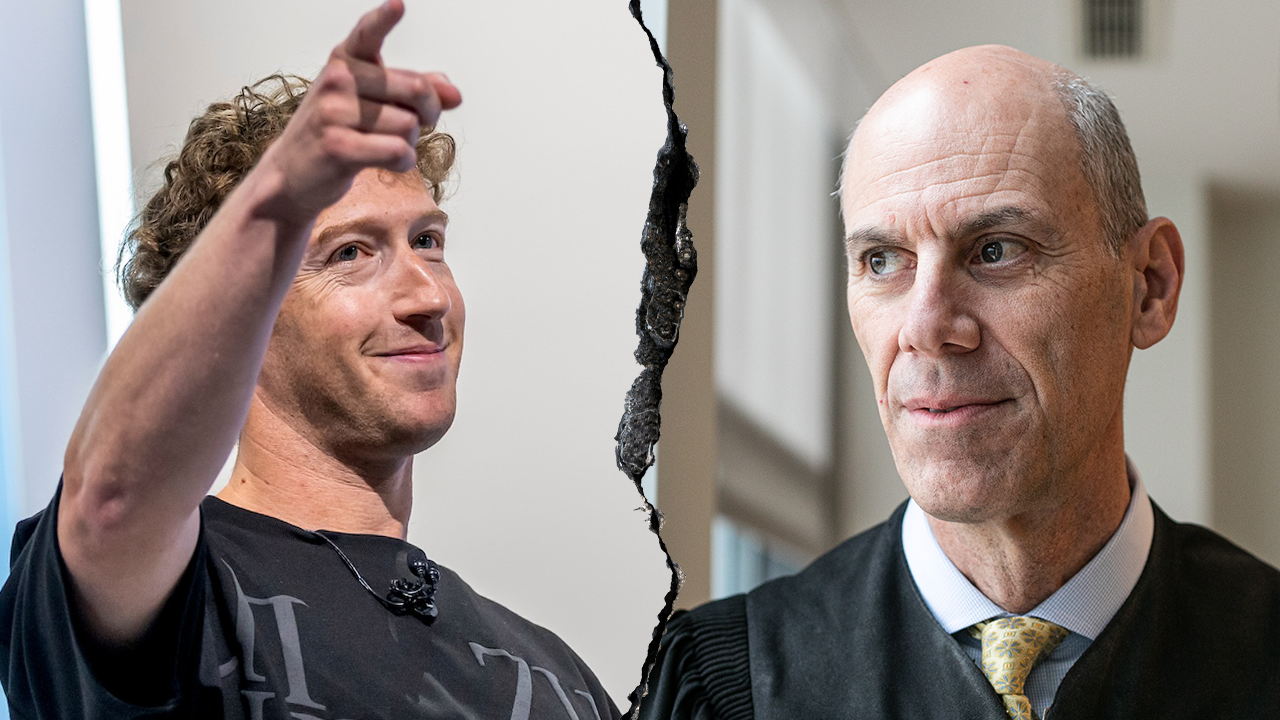
Meta wins antitrust trial after Judge James Boasberg ruled the FTC failed to prove illegal conduct at acquisition time. The suit targeted Meta’s purchases of Instagram in 2012 and WhatsApp in 2014, acquisitions the FTC said reduced competition. Boasberg emphasized the inquiry concerns current monopoly status rather than past conduct, and he pointed to TikTok as competitive pressure. Internal Facebook emails surfaced during proceedings, because Mark Zuckerberg acknowledged that acquisitions could “buy time,” which added evidentiary nuance to the trial, and internal strategy memoranda informed timing considerations. The decision reshapes enforcement calculus because regulators must weigh precedent, market evolution, and the limits of retrospective remedies in dynamic digital platforms, and potential divestiture remedies are more complex and uncertain, with significant implications.
Meta wins antitrust trial: Market analysis and strategic implications
U.S. District Court Judge James Boasberg concluded that the Federal Trade Commission failed to prove Meta violated antitrust law at the time of its Instagram and WhatsApp acquisitions, and therefore the court denied the FTC’s requested remedies. Because the ruling centers on current monopoly status rather than retrospective culpability, Boasberg emphasized market evolution and cited competitive pressure from apps such as TikTok. The decision drew attention to internal Facebook communications, including Mark Zuckerberg’s remark that “One way of looking at this is that what we’re really buying is time,” which introduced nuance but did not satisfy the court’s legal standard.
Strategically, the verdict reduces near-term risk of divestiture for Meta and preserves corporate flexibility to pursue platform integration and investment. However, competitors and new entrants continue to constrain pricing power and user engagement metrics. Regulators must therefore adapt merger review frameworks to dynamic digital markets, because traditional market-definition methods now understate cross-platform substitution. Industry analysts argued that “The landscape that existed only five years ago, when the Federal Trade Commission brought this antitrust suit has changed markedly,” a point Judge Boasberg cited in his opinion.
The ruling also recalibrates enforcement strategy for antitrust agencies. Consequently, agency litigators may shift toward forward-looking remedies and legislative advocacy. For background on the FTC case and antitrust precedents consult the Federal Trade Commission’s materials at FTC materials and reporting from Reuters at Reuters for contemporaneous coverage. Analysts advising corporate clients will reassess merger doctrines, competitive strategy, and regulatory engagement as a result.
Alphabet (Google)
- Case details: DOJ sued in 2020 alleging search and ad-tech monopolization; litigation ongoing.
- Verdict: No final federal verdict as of 2025; subject to EU fines and remedies.
- Potential business impact: Ongoing litigation increases compliance costs and constrains M&A strategy.
Apple
- Case details: Epic Games sued over App Store terms; 2021 ruling mixed, appeals ongoing.
- Verdict: Federal antitrust monopolization claim largely dismissed; state-level remedies ordered.
- Potential business impact: Mandated platform changes affect App Store revenue and developer relationships.
Microsoft
- Case details: High-profile U.S. antitrust case in early 2000s led to settlement and consent decrees.
- Verdict: Resolved through settlement; regulatory oversight reduced after compliance.
- Potential business impact: Historical precedent shows long-term constraints on integration strategies.
Amazon
- Case details: Subject to multiple probes into marketplace practices and ad business; cases pending.
- Verdict: No sweeping federal verdict by 2025; investigations continue.
- Potential business impact: Regulatory uncertainty may limit marketplace fee strategies and acquisitions.
ByteDance (TikTok)
- Case details: Faced regulatory scrutiny for data and competition concerns; not core antitrust verdicts.
- Verdict: No major antitrust verdict as of 2025; national security measures applied in some jurisdictions.
- Potential business impact: Policy actions could alter competitive dynamics by limiting market access.
Regulatory environment and future antitrust risks
Meta’s antitrust victory reduces the immediate likelihood of structural remedies, yet regulatory scrutiny will intensify across jurisdictions. Judge James Boasberg ruled the FTC did not prove illegal conduct at acquisition time, and therefore agencies must recalibrate their legal theories. Because market definition now accounts for cross platform substitution, regulators pursue forward looking remedies and legislative reforms.
International regulators continue to tighten merger review and platform rules, and EU authorities maintain alternative remedies. Moreover, data protection and privacy enforcement increasingly intersects with competition policy, which expands enforcement levers available to agencies. Industry analysts observed that “The landscape that existed only five years ago, when the Federal Trade Commission brought this antitrust suit has changed markedly,” a point cited during trial.
Future antitrust risks for Meta include targeted investigations into advertising markets, appellate challenges, and sector specific rulemaking. Consequently, acquisition due diligence will require deeper economic modeling and documentation of pro competitive effects. Mark Zuckerberg’s internal remark that “One way of looking at this is that what we’re really buying is time” underscores transactional strategy, yet it may attract regulatory attention.
In response, Meta will likely strengthen compliance programs, increase regulatory engagement, and prioritize interoperable features to demonstrate competitive benefits. Therefore corporate counsel and strategy teams should prepare for sustained oversight and evolving enforcement doctrines.
Meta’s definitive court victory concluded that the FTC did not meet its burden of proof. Therefore the judge declined to order divestitures based on those acquisitions. The ruling preserves Meta’s ability to integrate Instagram and WhatsApp and sustain platform investment. However, it does not end scrutiny across jurisdictions and regulatory fronts. Judge Boasberg cited competition from TikTok as evidence that Meta faces rivals and that market dynamics have shifted. Because agencies will reassess merger review doctrines, they may pursue novel legal theories and sector specific rulemaking. Consequently, firms in the sector will reassess merger planning, compliance spending, and public policy engagement. Appellate review or legislative change remain plausible next steps for regulators. Corporate legal teams must therefore document pro competitive effects thoroughly. Internal emails acknowledging that acquisitions can “buy time” will inform enforcement narratives. In sum, the decision recalibrates enforcement strategy and raises the bar for retrospective remedies, with lasting implications for big tech policy and corporate strategy.
Frequently Asked Questions (FAQs)
What did the court decide?
The court found the FTC failed to prove Meta violated antitrust law when it acquired Instagram and WhatsApp.
Why did the FTC’s case fail?
Judge James Boasberg emphasized current monopoly status and cited market change and competition from TikTok. Consequently, the evidence did not meet the legal standard.
Does this ruling end regulatory risk for Meta?
No. Agencies retain tools for future enforcement, and they may pursue appellate review, targeted investigations, or new legislation.
What are the likely business implications?
The decision reduces immediate divestiture risk; therefore Meta can continue platform integration, yet compliance costs and scrutiny will persist.
How does this affect merger policy across big tech?
The verdict forces regulators to update merger frameworks for dynamic digital markets. It raises the evidentiary bar for retrospective remedies.
