

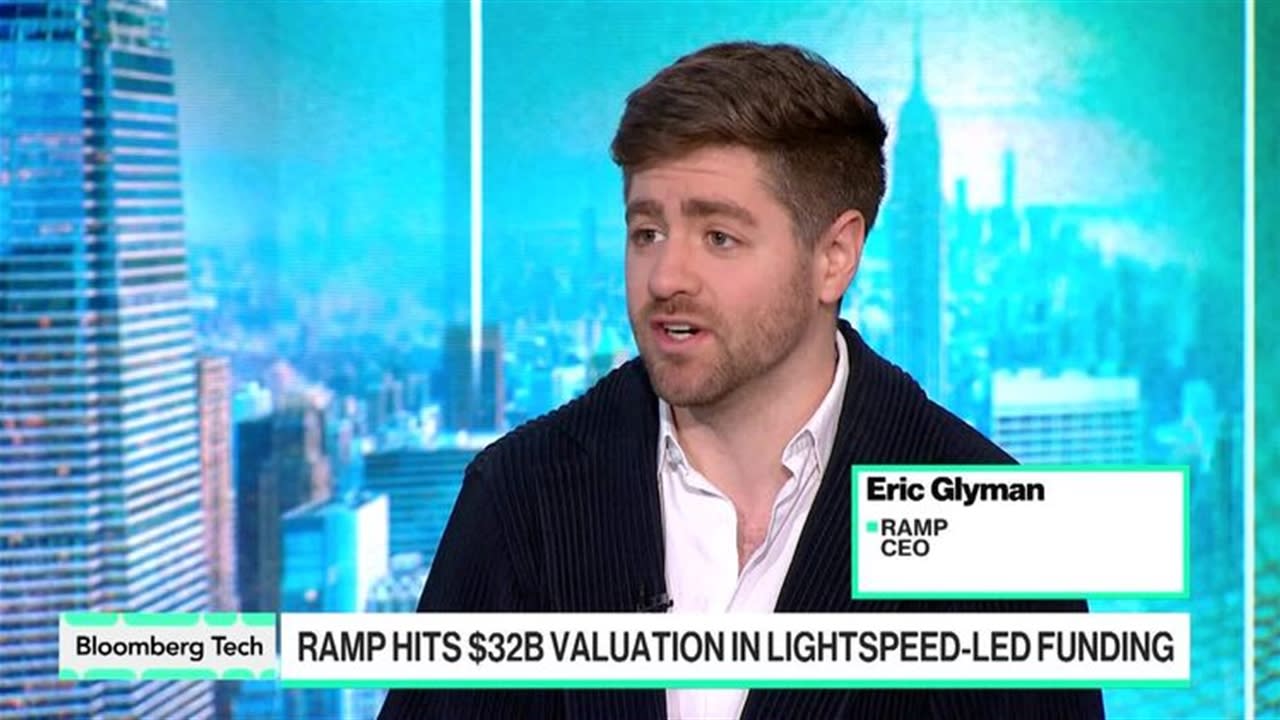
Ramp hits $32B valuation, a staggering milestone for corporate finance startups. This leap reflects explosive growth in a few months and reshapes fintech expectations. Because Ramp now counts more than 50,000 customers and surpasses $1 billion in annualized revenue, investors took notice. For founders and VCs, this valuation rewrites the playbook for expense management fintech and corporate credit cards.
However, the deeper signal lies in market appetite for scaling unit economics and AI enabled workflows. This article breaks down why Ramp’s jump matters, what drove the surge, and what startups should learn. First, we examine financial milestones and funding rounds that powered the rise. Then, we explore strategic implications for product teams, investors, and competitors.
Finally, we offer practical takeaways for founders who want to scale fast. Moreover, rapid revaluations change fundraising timelines and benchmarks for later stage rounds. As a result, startups must balance growth, unit economics, and sustainable margins.
Ramp hits $32B valuation: What fueled the surge
Ramp hits $32B valuation because the company scaled revenue, customers, and product depth rapidly. Its business model centers on corporate expense management and corporate credit cards. Ramp earns revenue from interchange, subscription fees, and value added services. Because unit economics improved, investors rewarded the company with higher startup valuation multiples.
Key factors that led to the valuation
- Strong revenue growth and scale with over 50,000 customers and more than $1 billion in annualized revenue
- Diversified revenue streams including interchange fees, SaaS subscriptions, and premium integrations
- High gross margins on software led offers and favorable unit economics that show sustainable growth
- Rapid funding cadence that raised confidence from Lightspeed, Iconiq, Founders Fund and others
- Market tailwinds in expense management fintech and spend management platforms increasing addressable market size
Market opportunity and fintech trends
The corporate expense management market shows rapid expansion, with forecasts that support fintech growth and higher startup valuation multiples. For context see the market report at Grand View Research. Moreover, TechCrunch coverage of the latest round provides a timeline of Ramp’s revaluations TechCrunch.
In short, product market fit and scaled economics drove the leap. Therefore founders should prioritize unit economics, customer expansion, and durable revenue streams to chase similar fintech growth.
Related keywords: expense management fintech, corporate expense management, corporate credit cards, startup valuation, fintech growth, spend management, AI enabled workflows, unit economics, total equity financing

For context, here is a comparison of Ramp hits $32B valuation versus peers and recent rounds. This shows company, valuation, year, and lead investors, with source links for verification. Moreover, numbers reflect market moves in 2025.
- Ramp: $32 billion in 2025, Key Investors: Lightspeed, Iconiq, Founders Fund, Khosla Ventures. Source.
- Stripe: $106.7 billion in 2025, Key Investors: Tender offer participants and private investors. Source.
- Plaid: $6.1 billion in 2025, Key Investors: Franklin Templeton, Fidelity, BlackRock, NEA, Ribbit Capital. Source.
- Checkout.com: $12 billion in 2025, Key Investors: Internal share program participants; employee buybacks. Source.
These valuation benchmarks show shifts in startup valuation and fintech growth trends.
Analysis: What it means that Ramp hits $32B valuation
Ramp hits $32B valuation signals strong market growth in the expense management fintech sector. Investors rewarded scale and clear unit economics. For example, CEO Eric Glyman noted Ramp has raised $2.3 billion in total equity financing, underscoring investor confidence and momentum (source).
Market context favors Ramp and similar companies. The travel and expense management software market could reach $10.69 billion by 2030, growing at a 16.9 percent CAGR. Therefore demand for automation and integrated spend tools supports higher startup valuation multiples. See the market forecast at (source).
Investor confidence comes from revenue scale and customer traction. Ramp now reports more than 50,000 customers and over $1 billion in annualized revenue. As a result, backers see lower execution risk and faster path to profitability. Moreover, rapid follow-on rounds from Lightspeed, Iconiq, Founders Fund, and others reinforced high valuations.
Implications for the fintech sector and founders
- Valuation benchmarks will rise as market growth accelerates, changing fundraising timelines. Therefore founders may face higher expectation levels.
- Capital markets will favor companies that show strong unit economics and durable revenue. Consequently investor confidence will track churn and expansion rates closely.
- Mergers and partnerships will likely increase as incumbents chase product-led spend management features.
Short term, Ramp’s jump may pressure competitors to scale faster. However, it also validates spend management as a large addressable market. For founders, the takeaway is clear: prioritize unit economics and customer expansion. Finally, sustained investor confidence will depend on execution, not only headline valuations.
Ramp hits $32B valuation marks a pivotal moment for corporate finance startups. It reflects fast revenue scale, large customer traction, and investor confidence. Because Ramp now reports over $1 billion in annualized revenue and 50,000 customers, its headline valuation has real backing. Moreover, the company’s diversified revenue streams and strong unit economics justify investor enthusiasm.
This milestone raises the bar across the fintech sector. Therefore founders will face higher benchmarks for growth and profitability. However, winners will be those who balance aggressive expansion with durable margins. As a result, strategic focus on customer retention and product depth will matter most.
Will other expense management fintechs reach similar heights? Watch this space and weigh how valuation dynamics reshape fundraising and product roadmaps.
Frequently Asked Questions (FAQs)
What does “Ramp hits $32B valuation” mean?
It marks Ramp’s market value after the latest funding round. Because the round drew support from Lightspeed and other investors, it reflects strong investor confidence. Ramp now reports over 50,000 customers and more than $1 billion in annualized revenue. Therefore the valuation signals real scale, not just headline hype.
Why did investors value Ramp so highly?
Ramp earns revenue from interchange, subscriptions, and premium integrations. Its unit economics improved as the customer base expanded. Moreover, repeated funding rounds, including Series E and E-2, provided fresh price discovery. As a result, backers saw lower execution risk and higher upside.
What does this mean for startup valuation and the fintech sector?
Ramp hits $32B valuation raises benchmarks across expense management fintech. Consequently fundraising timelines and expectations will shift. Investors will demand clearer paths to profitability and strong customer retention. Founders should expect stiffer competition and higher scrutiny.
Is the valuation justified by Ramp’s fundamentals?
Ramp has raised roughly $2.3 billion in equity to date. It surpassed $1 billion in annualized revenue and serves over 50,000 customers. However, valuation depends on future execution and margin sustainability. Therefore continued growth and profitable unit economics must follow.
How should founders and investors respond?
Founders should prioritize unit economics, retention, and profitable expansion. Investors should balance enthusiasm with diligence and monitor churn and CAC payback closely. For readers, watch this space for how these valuations reshape product roadmaps and capital strategies.
