

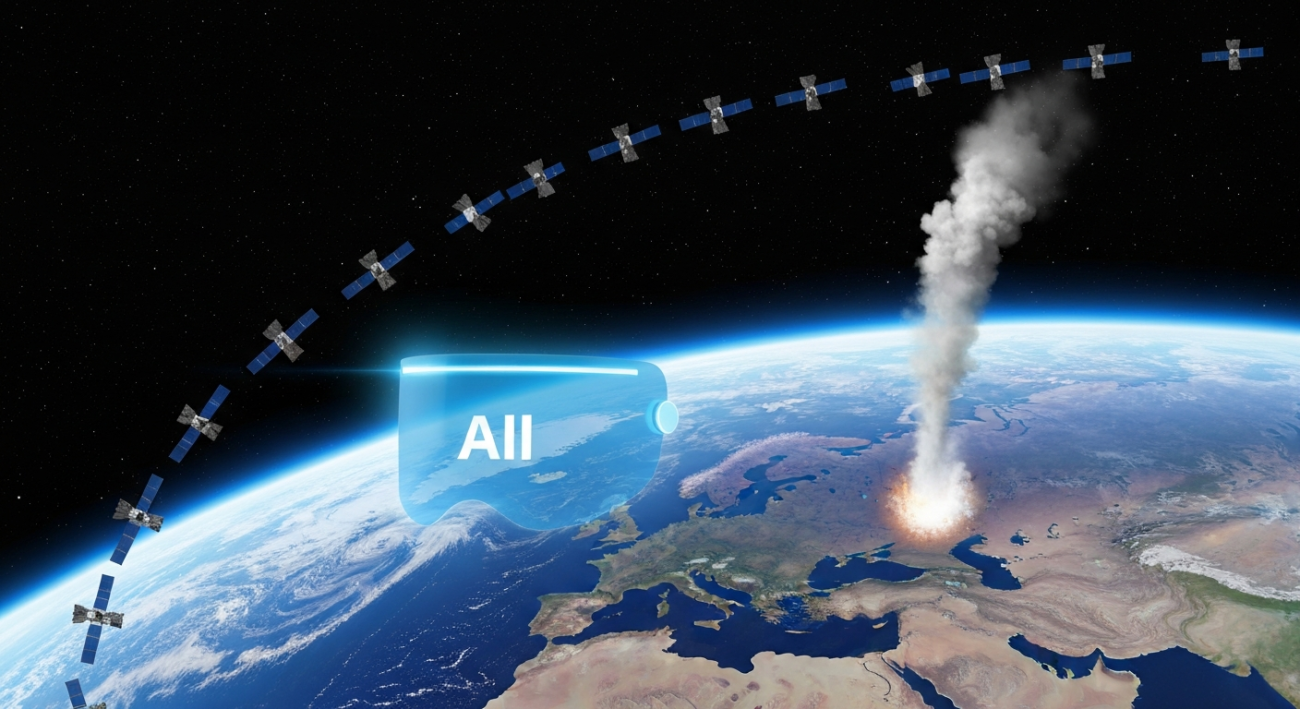
Imagine fragments from old satellites making news, while online rumors grow faster than facts. The growing clash of factual risk and rumor has made space debris risk and AI-powered conspiracy debunking urgent. ESA estimates show roughly three pieces of defunct equipment plunge through our atmosphere each day. However, megaconstellations and the boom in commercial launches could raise that number by the 2030s. Meanwhile, conspiracy theories warp public perception and slow needed policy and technical fixes around space safety.
AI chatbots and automated fact checking offer fast rebuttals, because they scan claims across vast datasets. Researchers at MIT and other groups show chatbots can debunk myths effectively when trained on good data. Therefore, policymakers should fund both orbital cleanup initiatives and transparent AI tools to fight misinformation. However, we must avoid overreliance on black box algorithms that could introduce bias or false positives.
As a result, this article balances urgency about collision risk with cautious optimism about AI’s corrective role. Read on for expert views, practical mitigation steps, and the latest must reads on space safety and tech.
Space debris means any man made object in orbit that no longer serves a purpose. It includes defunct satellites, used rockets, and fragments from collisions. Because about three pieces of old space items reenter Earth’s atmosphere daily, orbital clutter matters now. The European Space Agency provides detailed estimates and mitigation guidance. For more, see the ESA overview at ESA overview.
Why orbital risk matters right now
Space traffic is growing, and as a result collision odds rise. By the mid 2030s, megaconstellations could send dozens more objects toward Earth each year. Some projections put ground level risk of injury at roughly 10 percent per year by 2035. Therefore, governments and companies must act on debris removal and safer design.
How AI helps counter conspiracy theories about space debris
AI technology can reduce the spread of conspiracy theories quickly. A recent study found short dialogues with AI chatbots cut belief in conspiracies by about 20 percent on average. The MIT Sloan summary and the authors’ paper offer the evidence at MIT Sloan summary and authors’ paper.
Key benefits include:
- Scale because chatbots reach many users at once
- Speed because AI scans claims across vast datasets
- Personalization because AI tailors counterarguments to users
Experts caution, however, that AI must use transparent data and human oversight. Otherwise bias or false positives could undermine trust. As a result, pairing orbital policy with responsible AI tools gives the best chance to protect space and public understanding.
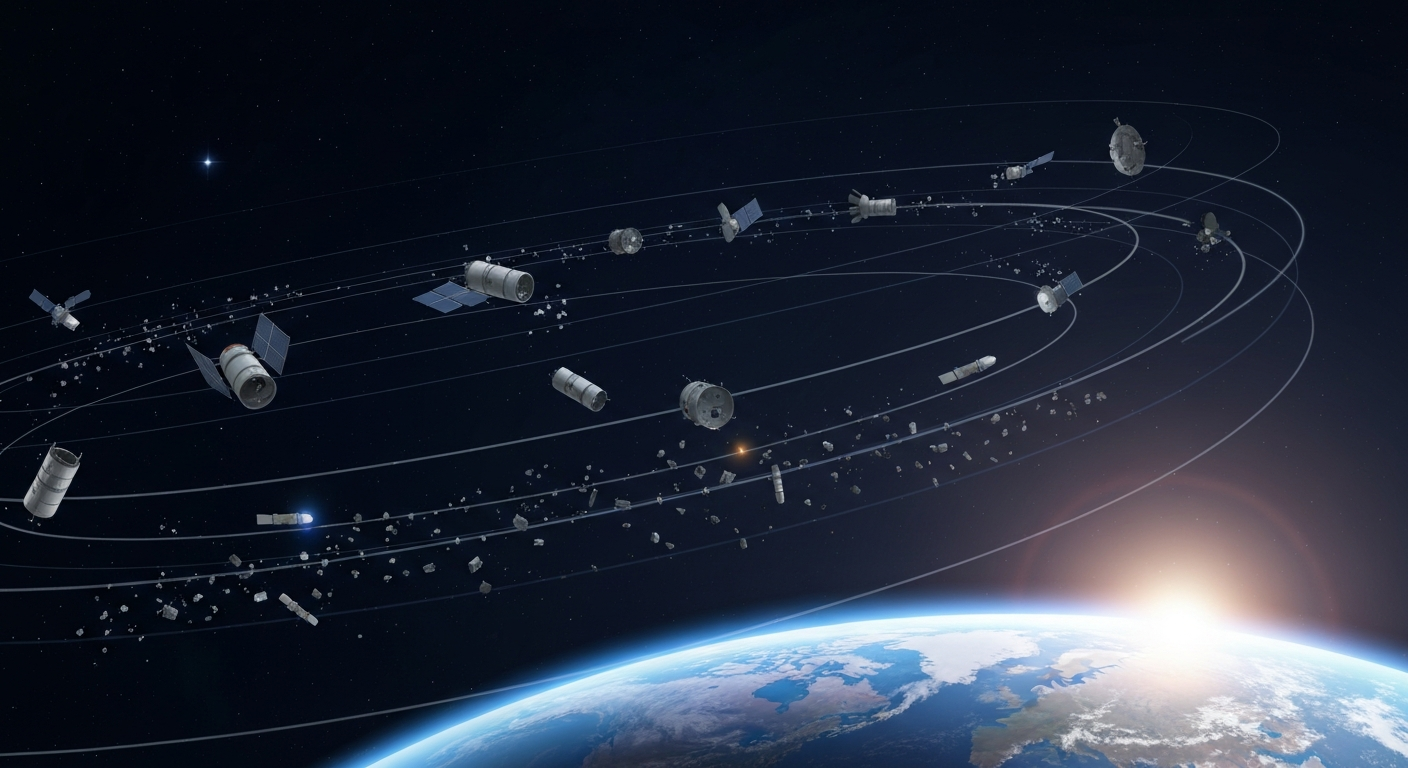
Quick comparison: traditional detection versus AI debunking
This summary outlines strengths and weaknesses of traditional methods against AI tools, framing the tradeoffs relevant to space debris risk and AI-powered conspiracy debunking.
As a result, each approach complements the other. Therefore, combining expert scrutiny with AI gives better outcomes.
The Impact of AI on Debunking Space Debris Risk Conspiracies
AI technology has changed how researchers and platforms detect and rebut conspiracy theories about space debris. Because orbital risk and online rumor both move fast, the speed advantage matters. The European Space Agency estimates roughly three pieces of defunct equipment reenter Earth’s atmosphere each day, which fuels online speculation. For details, see European Space Agency’s report on space debris.
How space debris risk and AI-powered conspiracy debunking works in practice
AI systems flag dubious posts, trace claim origins, and assemble evidence automatically. As a result, moderators and fact checkers work more efficiently. Key mechanisms include:
- Natural language processing to spot conspiracy language patterns quickly
- Cross referencing of claims with authoritative sources and databases
- Conversational AI that engages users with tailored corrections
- Network analysis to identify coordinated misinformation campaigns
Researchers such as Gordon Pennycook and David Rand show short AI dialogues can reduce belief in conspiracies by about 20 percent. The study and summary are available at MIT Sloan’s findings and the detailed report.
Real world examples and expert commentary
Platforms now use AI classifiers to surface likely false claims, and chatbots offer immediate rebuttals to users. For example, automated systems removed or labeled claims linking routine satellite reentries to secret weapon tests. However, experts warn about overreliance on opaque models. Therefore human oversight remains essential to prevent bias and false positives.
Advantages and limits
- Advantages include scale, speed, and personalization. They help counter fast spreading conspiracy theories about megaconstellations and flight risk.
- Limits include potential model bias, dependence on training data quality, and transparency concerns.
In short, combining domain experts with AI gives the best chance to correct myths about space debris and protect public trust. Therefore investment in transparent AI tools should pair with stronger orbital policy and cleanup efforts.
Clear understanding of space debris risk and AI-powered conspiracy debunking matters for safety and public trust. Because fragments from defunct satellites still fall through the atmosphere each day, accurate information must guide action. Meanwhile, rising megaconstellations make prevention and cleanup more urgent.
AI tools offer fast, scalable rebuttals to myths and false claims. However, these tools only work well when researchers use transparent data and human oversight. For example, chatbots reduced belief in conspiracies in controlled studies, yet experts still recommend expert review for edge cases. As a result, combining AI speed with domain expertise reduces harm and preserves credibility.
Looking ahead, investing in orbital cleanup and responsible AI delivers clear payoff. Governments, space companies, and platforms should fund debris mitigation and build transparent debunking systems. Citizens can support evidence based policy and demand clearer public communication. Ultimately, better science plus better AI will make space safer and public discourse healthier. Act now and the benefits will compound over the coming decades.
Frequently Asked Questions (FAQs)
What is space debris and is it dangerous?
Space debris refers to man-made objects in orbit that no longer serve a purpose, such as defunct satellites, rocket bodies, and fragments from collisions. The European Space Agency estimates roughly three pieces of defunct equipment reenter Earth’s atmosphere every day. Because megaconstellations and more launches increase collisions, long-term risk rises. However, debris has not yet injured anyone.
Could space debris hit someone on the ground?
The chance is very low now, but projections worry experts. Some models put ground level risk of death or injury at around ten percent per year by 2035 under high traffic scenarios. Therefore governments treat debris mitigation and safer satellite design as priorities.
How do conspiracy theories affect space safety?
False claims can erode trust, divert attention, and slow policy action. For example, linking routine reentries to secret tests creates needless panic and wastes oversight resources. As a result, accurate public communication becomes harder.
How does AI powered conspiracy debunking help?
AI chatbots and classifiers flag dubious posts, cross reference sources, and deliver tailored rebuttals. Controlled studies found short AI dialogues reduce belief in conspiracies by about twenty percent. Because AI scales, platforms can respond quickly to viral misinformation.
What limits and safeguards should we demand for AI debunking?
Models need transparent training data, human oversight, and clear source citations. Systems require regular audits to detect bias and false positives. Therefore combining AI with domain experts gives the most reliable results.
